Freshwater Cisterns: What Edmonton Acreage Owners Need
Key Takeaways
-
Freshwater cisterns represent a transition toward a more controlled, reliable source of potable water by safely storing rainwater, trucked water, or groundwater. This is especially valuable in rural or remote areas that lack a more stable municipal supply. They provide a buffer during dry spells and emergencies, fueling daily household consumption, irrigation, and even firefighting.
-
An intelligently constructed cistern means a smart tank material, lids that lock down, pumps, filters, and good fittings that safeguard water quality. Convenient access for inspection and cleaning, as well as first flush devices and filtration, help maintain stored water’s safety over extended periods.
-
Selecting your cistern wisely is a matter of matching tank size and material to your demand, site conditions, and local climate. Calculate capacity in liters, peak use, and fire protection. Determine whether an above ground, underground, or multi-tank layout best fits your property.
-
Professional installation and careful site preparation have a strong effect on system performance and safety over time. Experienced manual excavation, base preparation, plumbing integration, and adherence to local health and building regulations minimize risks of leaks, contamination, and structural damage.
-
Living with a cistern means you need to routinely check water levels and quality, and perform maintenance such as cleaning the tanks, changing filters, and maintaining a log. Scheduling dependable water deliveries or rainwater harvesting, paired with conservation mindsets in the household, stabilizes the flow of safe water.
-
By comparing cisterns with wells, campers, builders and engineers alike can help users design safer water systems that reflect local geology, rainfall and service access. Numerous properties thrive by mixing both, employing cisterns as a backup or storage partner to wells for more robust protection in droughts, contamination events, or interruptions.
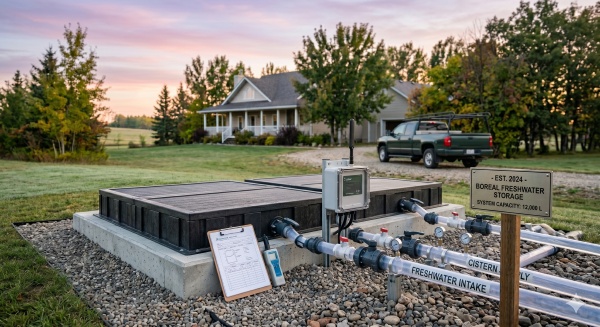
Freshwater cisterns were enclosed tanks or reservoirs that held rainwater or delivered water for homes, farms, and small communities. They assist individuals in maintaining a stable water source where public infrastructure is fragile, expensive, or even entirely nonexistent. Several homes have cisterns to capture their roof runoff, easing the burden on wells and conserving treated tap water for peak usage or drought. They can be made of just about anything, from concrete and masonry to plastic and fiberglass, all with varying prices, lifespans, and maintenance requirements. Crucial issues are water quality, secure construction, and periodic inspections to prevent leaks or pollution. The following pages cover principal varieties, design considerations, and maintenance measures for freshwater cisterns in everyday use.
Understanding Freshwater Cisterns

Freshwater cisterns are watertight tanks for storing potable water for domestic and agricultural purposes. It is a waterproof receptacle that holds liquids, usually water, and it differs from a well. A well draws groundwater from an aquifer, while a cistern collects freshwater, most often rainwater or trucked-in municipal water. In many rural parts, such as acreages and remote properties throughout Alberta, cisterns offer a reliable source where municipal systems are absent or unstable. They may contain water for drinking, cooking, sanitation, small-scale irrigation, livestock, and even firefighting. In dry-land farming communities, they frequently serve as a critical element of broader water management.
1. The Core Concept
The purpose of a cistern is to capture, store, and preserve fresh water until it is required. It can collect rain from a roof, or water delivered by truck, or pumped from other approved sources, then store it in a sealed environment where it remains available and as pure as the system can manage. For example, in Northeastern Brazil, the One Million Cisterns Program has demonstrated how this straightforward concept can sustain families through extended dry seasons and decrease the hours spent hauling water.
Contemporary cisterns are designed to be durable and watertight and can be made of plastic, concrete, or stone. These vary in size and can have capacities from a few hundred liters for a small building to several thousand cubic meters for a farm, community system, or institutional site. Some are storage-oriented tank cisterns, while others are filter cisterns that integrate storage with built-in treatment steps.
Installers can position cisterns above ground, where they’re more accessible, or underground, where the water stays cooler and shielded from light and temperature fluctuations. In all cases, such stored water represents a buffer during dry periods, evening out the time between rain or the arrival of the truck and when a home, farm, or small business actually consumes the water.
2. System Components
Freshwater cisterns begin with the tank, which can be concrete, plastic, or fiberglass and sized in accordance with demand and local rainfall or delivery cycles. Lids, secure hatches, and risers keep debris, insects, and small animals out but still allow users access to the interior when necessary. Fill pipes introduce water into the tank, float valves regulate incoming flows, and pumps evacuate water to usage points.
For water quality protection, most systems introduce filtration and a simple treatment step. First flush devices divert the first, dirtier portion of a rain event away from the tank so less dust, leaves and bird droppings end up in storage. Basic sediment filters, screens and when necessary, disinfection units ensure water is fit for drinking, cooking and sanitation, given that the cistern may be a primary supply for months at a time.
Fittings tie it all together. Bulkhead fittings seal pipe entries through the tank wall, riser seals make the upper access watertight, and overflow pipes direct excess water to a safe discharge area or a secondary storage device like rain barrels. Properly located access points make inspection, cleaning, and maintenance feasible, which is essential for maintaining the stored water’s safety over the long term.
3. Water Sources
Freshwater cisterns can work with several sources: rainwater harvesting, trucked municipal water, and in some designs, treated groundwater or other auxiliary supplies. Like most of rural Alberta and the world, this combination allows landowners to hedge their bets if one source runs dry or becomes too expensive.
For rainwater, roof gutters and downspouts funnel water into pre-filters and then the cistern, making every storm an opportunity to fill supply. This harvested rain can commonly meet drinking, cooking, and sanitation needs for weeks or months, depending on tank size, climate, and the household’s water conservation efforts.
Where there is no piped network, water haulers replenish cisterns with potable municipal water delivered by truck from the closest treatment plant, providing users trusted quality and consistent chemistry. Some even tie into existing wells, using the well as a backup or seasonal source while the cistern absorbs daily demand and pressure, thereby reducing pump cycling and wear on the well equipment.
4. The Delivery Cycle
In a common configuration, a pump extracts water from the cistern and supplies it to household piping so that toilets, showers, faucets, washers, and outdoor hose bibs operate similar to how they function on a municipal grid. A pressure tank and either a submersible or jet pump even out flow and maintain pressure in a constant range, which safeguards fixtures and enhances user comfort.
Water level is typically monitored with float gauges, sight tubes, or electronic sensors connected to basic readouts or alarms. These inspections help users identify slow leaks, stuck valves, or contamination threats, like a missing lid or broken seal that allows bugs or surface runoff into the tank. Regular inspections, cleaning, and minor maintenance keep it dependable for household, farm, and emergency use, including rudimentary firefighting supply in a few rural configurations.
Choosing Your Cistern
Selecting the right cistern size depends on water demand, refill frequency, site conditions, and future expansion plans. A small urban home that employs cistern water for toilet flushing and garden use only will size and select a tank very differently than a rural farm that relies on stored water for drinking, irrigation, and livestock.
Material Matters
Contemporary cisterns are typically concrete, plastic (polyethylene), fiberglass, or steel, and in some regions you still find carved rock or masonry tanks employed like covered reservoirs. Concrete and rock work well underground and can last for decades, but they’re heavy, slow to install, and hard to move. Plastic and fiberglass are light, easy to ship, and common in sizes ranging from a few liters to tens of thousands of liters. Steel tanks, often lined, are used when very large volumes are necessary, sometimes thousands of cubic meters for community storage.
Concrete cisterns are ideal for fully underground or partially buried configurations, as they withstand soil loads, are UV resistant, and maintain water coolness and darkness, which reduces algae growth. They are valuable for dry-land farming locations, greenhouses, and areas with intense sun.
Plastic tanks are best for above-ground applications, particularly where digging is expensive or the water table is close to the surface. They never rust, clean easily, and install on a basic level pad. Most homes that harvest rain from a roof employ one or more polyethylene tanks connected together.
Regardless of the material selection, the tank and any liner should be food-grade and approved for potable water if you are going to drink from it or use it for cooking. Non-approved plastics or coatings that leach chemicals and certain metal tanks can add unwanted metals if not properly lined. Regular inspection, washing, and safe access hatches are as important as the material because poor maintenance will ruin the water quality even in a nice tank.
Sizing Strategy
Start with daily demand: list all uses—drinking, cooking, bathing, sanitation, irrigation, livestock, and any process use—then add them up in liters per day. Multiply this total by the desired storage duration, which is typically a 1-week to 1-month supply. A storage duration of over a month typically means more expense, more stagnation, and harder to clean, while less than a week can be stressful during dry spells or supply disruptions.
Add in peak use and risk. A little household that could refill every few days might opt for 3,000 to 5,000 liters, whereas a remote home or a farm that sees long dry seasons might store 20,000 liters or more. Most users include a buffer for fire protection or livestock watering, as both can deplete storage very quickly.
Consider refill cycle. A cistern that captures only rainwater must span dry seasons, so base its size on local rainfall data. If you have tanker delivery or a community supply, match tank volume to delivery truck size and how often you can realistically schedule fill-ups.
|
Approx. size (liters) |
Typical use |
|---|---|
|
200–1,000 |
Small garden, minor backup for toilets |
|
2,000–5,000 |
Small home, short-term rainwater or backup use |
|
10,000–25,000 |
Full household supply, light irrigation |
|
50,000+ |
Farms, greenhouses, community or fire reserves |
Design Decisions
Design choices start with placement: above-ground, underground, or partly buried. Above-ground tanks are easy to set up, less expensive to install, and popular where rock, high water tables, or buildings restrict excavation. Underground and semi-buried cisterns allow you to conserve valuable yard space, protect your water from heat, and suit larger capacities. They require thoughtful structural engineering, safe access, and occasionally pumps to reach the house.
Then consider one big cistern as opposed to a bunch of smaller ones. One large tank is frequently less expensive per liter and requires less plumbing. Multiple tanks introduce a layer of redundancy and control. You can isolate a tank to clean it, designate one for drinking water with increased filtration, or a separate one for irrigation only. This comes in handy in regions where rain is seasonal or delivery can be patchy, like in parts of Northeastern Brazil that deploy cistern programs such as the One Million Cisterns Program to diversify risk across multiple units.
Your choice of the right fittings and covers is about both safety and workload. Opt for sealed lids, screened vents, and first-flush or sediment devices that keep the bugs, dust, and debris out. Use corrosion-resistant valves and unions that are easy to access, so draining and cleaning is not a huge project. For potable water, combine the cistern with pre-filters, fine filtration, and disinfection, and run plumbing to avoid dead ends where water can sit and stagnate.
A cistern’s primary role is to capture and store rain or other water sources for when you require them. Therefore, orient its design toward that objective. Match the cistern inlet to gutters or in-house supply lines, slope pipes draining from the cistern, and leave room for expansion. This includes extra tanks, more efficient filters, or a new rain garden catchment area as your needs increase.
The Installation Process
 A freshwater cistern install has a straightforward sequence and every step counts for safety, water quality, and long-term performance.
-
Select an underground tank appropriate to your actual need and refill frequency and constructed from a material suited to your water quality aspirations and surrounding soil characteristics, such as fiberglass in corrosive soils or reinforced concrete where flotation is a concern.
-
Verify regulations and permits, then stake out the footprint and access route for equipment, along with the final placement of manholes, vents, and service lines.
-
Dig the pit, giving yourself an extra 18 to 24 inches (around 450 to 600 mm) of width on each side of the tank, and a cover depth from tank top to finished grade between 6 inches and 24 inches, unless a colder climate or codes say otherwise.
-
Prepare the base: In normal soil, place at least 6 inches (150 mm) of well-compacted sand. In rocky ground, use a minimum of 12 inches (300 mm) to protect the tank shell.
-
Lower the tank into the hole using appropriate lifting equipment, attach to all lifting lugs, and manage side swing so that the tank rests level on the prepared bed.
-
Hook inlet, outlet, vent, and overflow lines with approved fittings. Pressure rate any buried pipe. Support valves and pumps so their weight does not strain the tank wall.
-
Backfill in 12 inches (300 mm) lifts, compacting from the perimeter toward the tank to eliminate voids. A graded gravel mix with stones no greater than 1 and 1/2 inches and about half smaller than 1/4 inch provides a protective ‘helmet’ for the tank and helps minimize settlement.
While you can technically install your own, professional installation is highly recommended. Mistakes in excavation, lifting, plumbing, or backflow control can result in failure, contamination, or code violations that are difficult and expensive to remedy.
Professional installers typically follow Alberta onsite wastewater management guidelines established engineering and environmental best practices when planning water and wastewater infrastructure on rural properties.
Site Preparation
Site prep starts with a simple question: Is the spot safe and practical over decades, not just on install day. The site requires sufficient grade and slope so surface water runs away from the cistern, in addition to unobstructed truck access for water trucks or haulers if you’re going to have routine deliveries. It assists in checking surrounding trees and upcoming construction plans so roots or new buildings won’t obstruct access or harm pipes down the line.
Digging has to be in accordance with tank specs and local frost depth. For an underground cistern, the hole is dug sufficiently deep to provide a 6 to 24-inch cover of tank top to grade, but to reach stable soil that will not slump. In cold climates, the installer might bury the tank below the frost line or install insulation around risers and piping to reduce freeze danger. Soft or loose soils can require shoring or even a wider footprint so the walls remain secure during construction.
It’s the base that prevents the tank from cracking or shifting. About 1 inch of sand or fine gravel packs a level pad and distributes the loads. Six inches in regular soil and twelve inches in rocky soil provide sufficient cushioning so that pointed stones aren’t forced into the tank. In certain locations with terrible soils or high groundwater, a thin concrete slab or ring beam is poured prior to being topped with compacted sand to merge strength with evenness of support.
Clearances are easy to ignore and hard to fix later. Your layout should provide space for your pipes to slant, your manholes and risers to rest above grade, and for you to use butterfly valves, filter web filters, and sensors with standard tools. Leaving a narrow trench or tight corner might save a little digging now, but it typically results in higher service costs and more downtime later.
System Integration
System integration is about how the cistern interacts with the remainder of the water system in actual daily use, not just on a blueprint. The tank connects to supply lines from roof catchment or delivery trucks, then flows out through pumps and pressure tanks into the building plumbing. All fittings in this chain should be buried-rated, sized to minimize friction losses, and installed with unions or flanges in serviceable locations so you can replace a pump or valve without digging. Check and air release valves are located where they prevent backflow and air locks, such as on long runs or elevation changes.
Water quality is about more than a clean tank. For potable systems, a typical series might have a coarse pre-filter before the cistern inlet, then cartridge or media filters after the pump, followed by a UV or chlorination step. For instance, a home could route rainwater through a leaf screen and first-flush diverter, then hold it in the cistern, then pass it through a 5-micron filter and UV unit before any tap. The aim is to keep sediment out of the tank and to prevent stagnation and to conform to local health requirements for potable water.
Overflow and stormwater design safeguards the tank and site. The cistern requires an overflow line that can safely bypass heavy rain events to a soak away pit, drainage swale, or storm sewer, according to regulations. If roof runoff feeds the system, planners typically include bypasses for ultra‑intense storms so the cistern is not pressurized by back‑up water. Screens on overflows and vents keep bugs and small animals out of the stored water.
It’s tested prior to backfilling and prior to the system going in service. Installers typically fill the tank partially, pressurize the lines and check for leaks at every joint and penetration. They test pump start and stop pressures, make sure pressure tanks hold a charge, and that filters and UV units are wired and flowing correctly. Any minor problem is significantly less expensive to fix before the trench is filled in and the system delivered.
Regulatory Awareness
Regulation influences numerous install choices, from where the tank is allowed to sit to how it connects to other water sources. Health authorities including Alberta Health Services post guidelines for potable water storage and cistern design that include details on minimum access opening size, inner surface materials, cleaning frequency, and protection against cross connection with non potable systems. Even outside Alberta, public health has similar rules, so designers consult the local equivalent agency early in the design phase.
Permits are typical whenever a cistern figures into new construction or a significant refurbishment. Building or plumbing permits may be required for structural support, trenching and backflow devices. An environmental or stormwater permit may be used when significant volumes of runoff are diverted making sure that they pass the provincial sewage system requirement. By submitting clear drawings, tank data sheets, and pump curves, you’re helping to expedite approvals and minimize the chance of expensive redesigns during construction.
Local setback requirements often regulate the distance between cisterns, wells, septic systems, and property boundaries. Rules could specify certain minimum distances to property lines, wells, septic fields, and buried power or gas services. Backflow prevention between the cistern and any public water main is nearly always required, usually with a tested backflow preventer at the point where the systems connect. These can result in failed inspections or, in certain areas, removal and relocation orders for your tank.
Good documentation is the final step and continues to pay dividends for years. Installers and owners should maintain as-built drawings, pre-backfill pictures of the tank, pump and filter models and serial numbers, and copies of permits and inspection reports. This file facilitates future health inspections, expedites insurance claims following flooding or earth movement, and gives future buyers insight into the system they are inheriting.
Living with a Cistern
 Living with a freshwater cistern means living with water as a stash, not a stream. It involves steady habits: watching levels, keeping the system clean, and making sure everyone in the home knows how to use water wisely.
Water Delivery
In most places, cisterns are supplemented by truck, rainwater, or both. Some rural or island households schedule deliveries from permitted haulers or municipal trucks, while others depend largely on rooftop catchment in the wet season. A properly sized cistern ought to contain at minimum a few days’ use so that a delivery delay doesn’t close off drinking, cooking, or fundamental sanitation.
Every hose, fill pipe and fitting that comes in contact with the water must be rated for potable use. Easy decisions, such as utilizing food-grade hose and sealed connectors, reduce the threat of chemical leeching and grime invading the cistern. Most folks put on a screened inlet and a tiny sediment trap at the fill point to prevent leaves or rust flakes from supply lines.
Recording how quickly the cistern falls between deliveries assists in aligning delivery timing with actual usage. A crude rule is to check the level weekly, then adjust your schedule once you know your rhythm over a few months. Low-water alarms, sight tubes, or remote level monitors can stop surprise shortages, which come in handy if the tank is buried or difficult to access.
Routine Maintenance
A straightforward checklist prevents cistern care from turning into guesswork. It usually covers four areas: the catchment (such as roofs and gutters), the tank body, the internal components, and the plumbing to the house. Each component requires a rapid visual inspection for fractures, leakage, insecure connections, or deposits.
The tank itself, be it concrete, plastic, or stone, should be cleaned at least annually or more frequently if you notice algae, odor, or visible solids. Most owners clean at the end of the dry season when the tank is naturally low, using soft brushes and a full flush to remove sludge.
Repair or replace any broken fittings, filters, or float valves immediately when they fail, as a stuck valve or split gasket can waste hundreds of liters. Maintaining the cistern sealed and screened minimizes insects and debris, which reduces subsequent cleaning efforts.
Maintaining logs of cleanings, filter replacements, and delivery quantities assists in detecting seepage and irregular consumption. For instance, if deliveries increase but the household occupancy remains steady, you may have an occult pipe leak or a running toilet.
Water Quality
Since cistern water is stored, not flowing, the quality of the water is key to daily use as well. For most families, cisterns are their primary access to drinking water and water for cooking and handwashing. In high rainfall zones, rain-fed cisterns can provide a sustainable and often economical supply. Smaller above ground tanks of approximately 750 liters, which is about 200 gallons, occasionally cost in the range of 150 to 300 USD, varying by material and region.
Testing regularly is the trick. At a minimum, stored water should be tested approximately every 3 months for e.coli and routine local contaminants or mineral issues. Certified laboratories or approved test kits can test if the water is potable. Others test post significant repairs or post visual contamination, like roof runoff after a wildfire or dust storm.
With filtration and disinfection, it’s even safer. General use is a sediment filter first, then a charcoal (carbon) filter to improve taste and remove many organic chemicals. In some systems, a UV unit is used to inactivate microbes. Where necessary, carefully dosed chlorine or other approved disinfectants may be utilized as per local guidelines.
Physical protection of the cistern counts as much as treatment equipment. Tight lids, locked hatches, screened vents and clean overflow pipes aid in keeping out bugs, small animals and wind-blown debris. These measures are relevant whether the cistern rests above ground or is subterranean and enable sustainable usage for households, farms, and small establishments that rely on cisterns daily.
Cisterns Versus Wells
Cisterns vs wells both store or supply freshwater in very different manners. They fit different climates, soils, and access to municipal water.
-
Cisterns store water; wells draw water from underground.
-
Wells tap into underground water. Cisterns depend on rain or trucked-in water.
-
Cisterns are frequently easier to implement. Wells require drilling equipment.
-
Wells can be steady year‑round; cisterns track local rainfall.
-
Cisterns could be cheaper initially. Wells may be costlier to drill.
-
Cisterns require refills and water tests. Wells require pumping and lab testing.
Water Source
A cistern is nothing more than a storage tank. It depends on outside sources: rainwater from roofs, delivered water by truck, or sometimes pre-treated municipal water stored for backup. This makes cisterns typical where rainfall is abundant or where truck delivery is standard, and they are frequently utilized to collect rain for garden watering, toilet flushing, or even complete household supply.
A well reaches under your land into the aquifer. When groundwater is pure and persistent, a well can provide a reliable year-round flow, which is part of the reason why rural areas in water-abundant nations such as Canada depend on wells for their primary source. The yield and quality are contingent on the local geology, soil type, and how deep and healthy the water table is.
Groundwater can decline in dry seasons, so wells can slow or dry up in drought or high use periods. It can absorb minerals, salts, or agricultural and industrial runoff. Cisterns, on the other hand, are versatile. You can toggle between rain capture, trucked potable water, or even push pre‑filtered municipal water into the tank if mains service is sketchy.
A lot of homes have the two systems mixed. A well meets daily needs when the aquifer is robust. A cistern captures rain or trucked water as a reserve against drought, pump breakdown, or temporary contamination.
Upfront Costs
|
Item |
Cistern (10–20 m³) |
Well (30–80 m deep) |
|---|---|---|
|
Tank material (plastic, concrete) |
1,000–4,100 CAD |
— |
|
Excavation / drilling |
700–2,700 CAD |
4,100–20,500+ CAD |
|
Plumbing & pump |
700–2,100 CAD |
2,100–5,500 CAD |
|
Filtration & disinfection |
550–2,100 CAD |
550–2,100 CAD |
Cisterns frequently come out ahead in first cost in locations with bad or deep groundwater, as you skip high-risk drilling and can right-size the tank to your rainfall and usage. You should budget for gutters, downpipes, first-flush devices and filter units if you intend to drink the water.
If you’re using trucked deliveries, anticipate the expense of a fill line, truck access, and the cost of occasional refills, which can pile on in dry years. Wells can cost more to drill and install initially, but they can provide a longer-term supply if the aquifer is reliable and water quality is consistent.
Ongoing Care
Cistern care focuses on the tank and the water within it. Owners must clean the tank every few years, maintain roof and inlet screens, and monitor sediment and biofilm. It’s a good idea to check water levels frequently so you can order a refill before you run short. Testing for bacteria or other issues is prudent if the water is used for drinking.
Wells are much more about the mechanical components and the aquifer. Pumps, pressure tanks and wiring require inspections and occasional replacement, and water should be lab tested for bacteria, nitrates and minerals on a regular basis. Certain wells require shock chlorination or sediment removal if tests indicate issues or if users notice taste, odor or coloration changes.
With regular maintenance, both systems can endure for decades. A few million can reach 20 years or more, while well structures and boreholes can serve for decades when pumps and seals are replaced on time.
Water Security
Cisterns shine as a deliberate storage buffer. They contain a visible, measurable quantity of water, which is handy during dry periods, supply interruptions, or inconsistent municipal provisioning. In wet climates, they are an inexpensive way to bank excess rain for later, particularly when connected to easy household uses or emergency stockpiles.
Wells may provide robust day-to-day reliability. They are linked to the vitality of the aquifer. They can run low or get contaminated by surrounding land use or experience pump and power failures. Because of that, many users consider a cistern backup or separate reserve for critical requirements like firefighting, sanitation, or short-term drinking supply during well maintenance.
Bigger cisterns or an array of smaller linked tanks can increase resilience by dispersing risk and providing additional storage possibilities. In areas with good groundwater and solid rainfall, a combination of a well for steady supply and cisterns for backup and peak demand storage frequently provides the most resilient water security.
Future-Proofing Your Water
 Future-proofing a freshwater cistern is about planning for less predictable rain, more heat waves, and aging infrastructure while making day-to-day use simple and safe. It combines storage size, technology, and maintenance in one long-term plan instead of a one-time install.
Drought Resilience
A cistern that suffices in a normal year can come up short during a two-month dry spell. Sizing should be based on peak demand and a sensible drought buffer, not just average usage. Most homes budget at least 30 to 60 days of necessities by modifying tank volume, roof catchment area, and delivery intervals to suit their local climate and family size.
Rainwater harvesting puts this storage to work harder. Gutters, first‑flush devices and screened inlets assist in trapping short, intense storms that are more frequent with climate change and then divert that water into storage before it runs off. This comes in handy when public systems are stressed or municipal tanks are suspect.
Low‑flow taps, dual‑flush toilets, and efficient washers extend stored water, reducing how frequently you require deliveries or pump‑outs. Even small measures, such as plugging slow leaks or drip irrigating, accumulate over a season.
Backup delivery plans close the gap when rainfall drops or fire risk rises. Cooperating with a trusted Alberta water source or nearby bulk hauler and agreeing on emergency call-out terms means you’re not floundering when the rest of the world is ordering water at once.
Environmental Role
Cisterns intercept rainfall from roofs, paved yards and other impervious surfaces that would otherwise funnel rapid runoff into drains and streams. This reduces flood peaks, minimizes erosion and alleviates stress on already burdened aging stormwater systems that become overwhelmed during heavy rain.
By storing and reusing rainfall or delivered water, we reduce the demand on wells and shallow aquifers. Where groundwater falls or streams run low in dry seasons, this helps keep base flows more stable and protects shared sources from over-pumping.
Future proof your water Giving your garden, trees, and beds of landscape the benefit of cistern water is an easy way to promote local ecosystems. It diverts, in part, any demand on treated drinking water and can sustain plants through heat waves without added stress on public supply.
As with anything to prevent pollution, cisterns require consistent maintenance. Old tanks with failing seals, cracked lids or rusted connections can suck in dust, insects or rodents. Tanks close to septic fields or farm runoff are at greater danger. Annual inspection, cleaning and safe disinfection, and simple water-quality testing for coliforms and key minerals help you catch problems early and keep stored water in drinking standards.
Smart Technology
Smart tools simplify handling cisterns that need to survive tougher droughts and more intense storms. Level sensors and float switches can monitor volume, prevent pumps from dry running, and interlock rainwater, cistern and backup sources with rule-based switching. Just one strategically located sensor can often take the place of guesswork and dangerous physical inspections.
Connected alarms and apps ping quick alerts when water dips below a threshold, when a pump runs too long, or when suspicious inflow suggests a leak or jammed valve. That’s great for rural sites, rentals, or shared buildings where no one is standing by the tank every day and where old infrastructure breaks down without notice.
Some owners integrate cistern controls into broader home systems so irrigation, toilet supply, and even laundry move to stored water when levels are healthy, then revert to mains or trucked water when low. Usage logs from these systems assist in optimizing delivery timing, identifying waste, and determining when a tank is reaching the end of its lifecycle and is ready for an upgrade or replacement, rather than fix after fix.
Conclusion
Freshwater cisterns require serious contemplation. They return it in spades. They assist in reducing stress on local infrastructure, stabilize your water consumption, and provide you increased control over an essential resource. You’re now familiar with the major types, how size and site selection function, what installation looks like, and what daily maintenance requires. You witnessed the way in which cisterns stack up next to wells and how cisterns factor into long range planning around drought and changes in rainfall.
To transition from concept to implementation, begin modestly. Inspect your roof and area. Chat with a local builder or plumber. Inquire about expenses, regulations, and maintenance. One thing at a time, do one obvious next step now while it’s still fresh on your mind.
Frequently Asked Questions
What is a freshwater cistern and how does it work?
Freshwater cisterns – a freshwater cistern is a storage tank for clean water at a home or farm. It is replenished by rainwater, bottled water, or a well. A pump subsequently pushes the stored water through your pipes when you want to.
How do I choose the right cistern size for my home?
Begin with your day-to-day water consumption and regional environment. Homes in dry or remote locations typically demand larger tanks. Consider roof size for rainwater, the number of people, and backup needs. A local water expert can assist you in determining the perfect size.
What is involved in installing a freshwater cistern?
Installation typically involves site preparation, positioning the tank, connecting inlet and outlet pipes, adding a pump, and setting up a filter and vent. Most regions necessitate permits and expert installers to comply with structural and health regulations.
How do I maintain a freshwater cistern safely?
Monitor your tank, lids, and screens. Clean the cistern every one to three years, or as advised. Maintain gutters and roof surfaces free of debris if utilizing rainwater. Employ suitable filtration and disinfection to protect water.
Are cisterns better than wells for reliable water?
It’s contingent on where you are. Cisterns are preferable where groundwater is shallow, salty, or unreliable. Wells are best where the aquifers are strong. Many properties use both: a well as a source and a cistern for storage and backup.
Can I drink water from a freshwater cistern?
Yes, if the system is potable and well maintained. This typically necessitates safe collection surfaces, sealed tanks, sediment filters, and disinfection using UV or chlorination. Water testing should be done regularly to ensure safety.
How do cisterns help future-proof my water supply?
Cisterns add storage for droughts, storms, and supply interruptions. Whether it’s rainwater, trucked water, or well water, they can store it. This flexibility decreases reliance on one source and shields your home from climate and infrastructure risks.